Teaching

Courses in biophysics and physical biochemistry

Courses taught by Dr. Michal Brylinski span both classical and modern molecular sciences. Physical Biochemistry emphasizes thermodynamics, equilibria, transport, and chemical kinetics, while Biophysics of Macromolecules applies molecular modeling, structural analysis, and computer-aided drug design to protein-ligand interactions and therapeutic discovery.

Usually offered in the fall semester

BIOL 4001: Physical Biochemistry
Upper-level undergraduate course
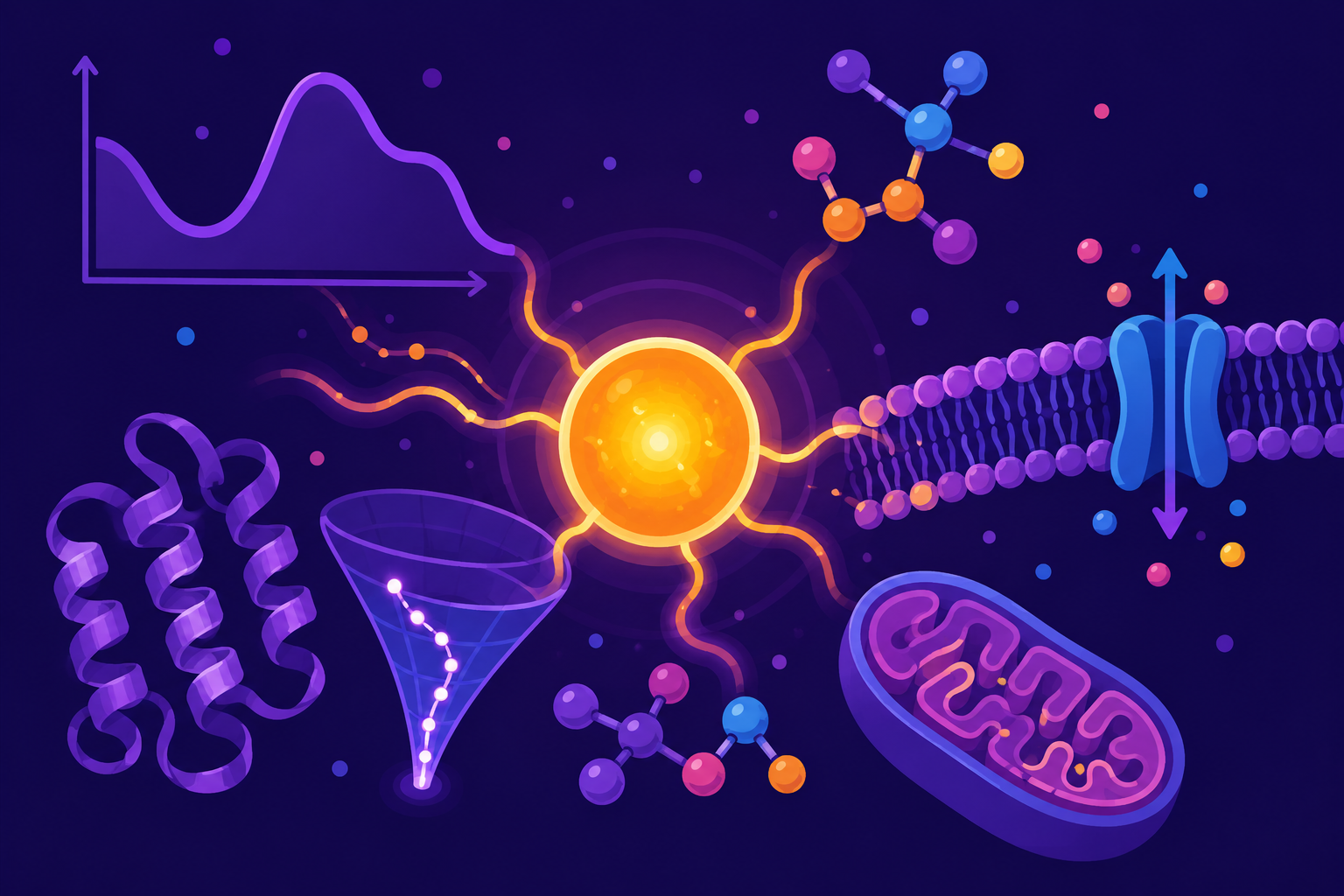
Conceptual image showing thermodynamics and molecular energy in biochemical systems
“Energy is the only universal currency.” — Albert Szent-Györgyi, Nobel Prize in Physiology or Medicine, 1937

Physical Biochemistry explores the physical foundations of life: how energy, matter, molecular motion, and chemical forces shape biological systems. The course is designed for upper-level undergraduate biochemistry students and emphasizes conceptual understanding, quantitative reasoning, and biochemical relevance.

Course focus

Students examine thermodynamics, kinetics, equilibria, and transport phenomena that govern protein folding, enzyme catalysis, membrane transport, redox chemistry, and metabolic control.

Learning style

The course balances conceptual lectures with quantitative problem solving. Students learn to connect physical laws to biological mechanisms and to practice solving biochemical problems step by step.

Course format

What students should expect

BIOL 4001 has a steady workload throughout the semester. Success depends on keeping up with the material, practicing problems regularly, and reviewing concepts before quizzes and exams.

Class meetings Approximately half lecture and half board-based discussion and problem solving.
Assessments Three short quizzes, one midterm exam, one final exam, and three homework assignments.
Participation Extra participation points may be used to boost final grades.

Tentative sequence

Topics across the semester

Weeks 1–2

Fundamentals

Units, dimensional analysis, energy, basic thermodynamic quantities, and essential concepts from physics, chemistry, and mathematics.

Weeks 3–4

First law of thermodynamics

Energy conservation, work, heat, internal energy, enthalpy, and their application to chemical and biological processes.

Weeks 5–6

Second law of thermodynamics

Entropy, spontaneity, free energy, biochemical directionality, molecular stability, and equilibrium.

Weeks 7–8

Phase equilibria

Phase transitions and colligative properties, including boiling point elevation, freezing point depression, and biological relevance.

Weeks 9–10

Chemical equilibrium

Equilibrium constants, Le Chatelier’s principle, binding equilibria, coupled reactions, enzyme activity, and metabolic regulation.

Weeks 11–12

Ion and electron transport

Electrochemical gradients, membrane potentials, redox chemistry, cellular energy production, and signaling.

Weeks 13–14

Rates of reactions

Chemical kinetics, rate laws, reaction mechanisms, and factors controlling the speed of biochemical reactions.
Usually offered in the spring semester

BIOL 4596: Biophysics of Macromolecules

Project-based course
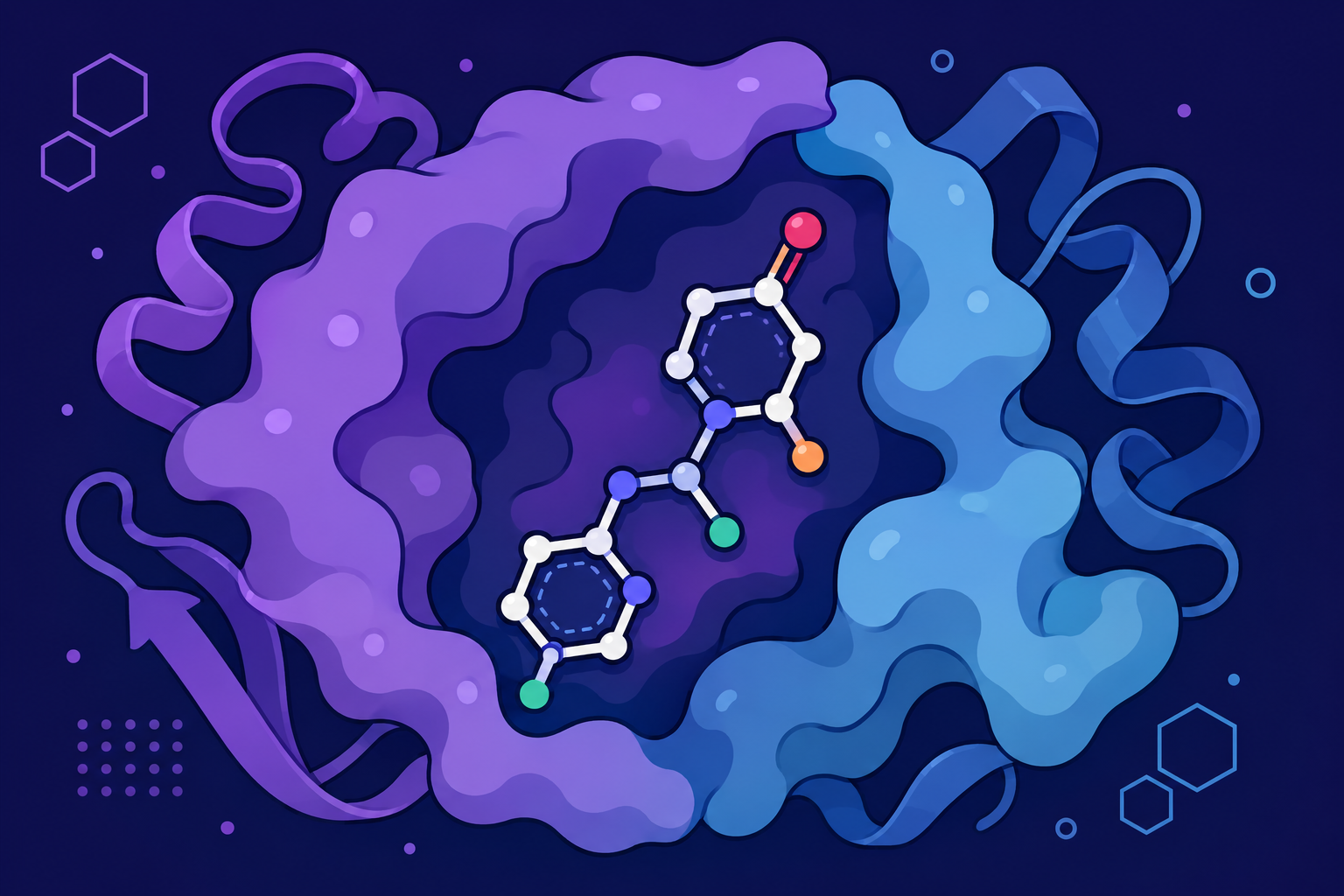
Conceptual image showing thermodynamics and molecular energy in biochemical systems
“The most fruitful basis for the discovery of a new drug is to start with an old drug.” — Sir James Black, Nobel Prize in Physiology or Medicine, 1988

Biophysics of Macromolecules explores how physical principles govern the structure, dynamics, and function of biological macromolecules. The course emphasizes protein-ligand interactions, molecular modeling, and their role in modern drug discovery.

Course focus

Students learn how biophysicists measure and model molecular interactions using structural biology, molecular visualization, and computational approaches such as docking, interaction analysis, and molecular simulations.

Drug discovery context

The course connects molecular binding, conformational change, solubility, stability, and basic pharmacokinetic considerations to structure-based drug design and drug repurposing.

Individual project

Semester-long molecular biophysics project

Each student develops an individual project focused on applying molecular biophysics concepts to modern drug design. The final result is built gradually from smaller deliverables submitted throughout the semester.

Molecular visualization

Explore macromolecular structures, binding sites, ligand poses, and protein-ligand interactions using open-source visualization software.

Molecular calculations

Apply computational tools to analyze binding, interaction patterns, energetics, conformational changes, and related biophysical properties.

Scientific communication

Prepare clear scientific figures and explain methods, results, and conclusions in a concise presentation format.

Course format

What students should expect

BIOL 4596 is project-based rather than exam-centered. The workload is distributed across the semester, and students are expected to make steady progress instead of waiting until the end.

Project structure Eight deliverables spread across the semester, each representing partial project progress.
Final report A final report prepared as an 8-slide scientific presentation.
Typical effort Students should plan to work on the project throughout the semester rather than at the end.