
Can artificial intelligence help identify best treatments for cancers? LSU researchers say yes.
This article highlights LSU research using artificial intelligence and computational models to help identify more effective cancer treatment strategies.
News & Features
Selected stories about the Brylinski Lab, our research, collaborations, and papers featured through journal cover artwork.
Lab in the News
Articles and public-facing stories featuring the lab, our research, collaborators, and broader biomedical impact.
This article highlights LSU research using artificial intelligence and computational models to help identify more effective cancer treatment strategies.
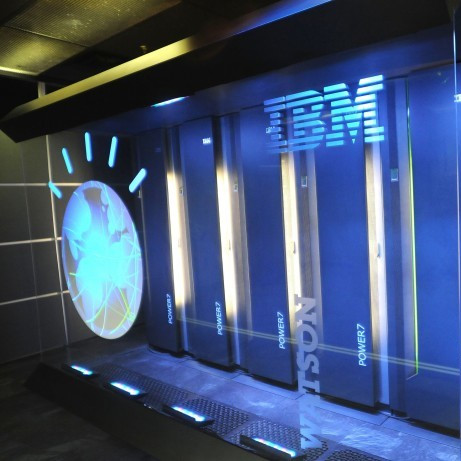
This article features a Baton Rouge team recognized among the top competitors in the IBM Watson AI XPRIZE contest, highlighting the use of artificial intelligence for high-impact scientific and biomedical applications.
Featured Research
Papers selected or highlighted through journal cover artwork and related visual features.

GeauxDock introduced a new way to guide molecular docking by combining evolutionary clues with physics-based scoring, helping predict realistic protein–ligand binding poses for drug discovery.
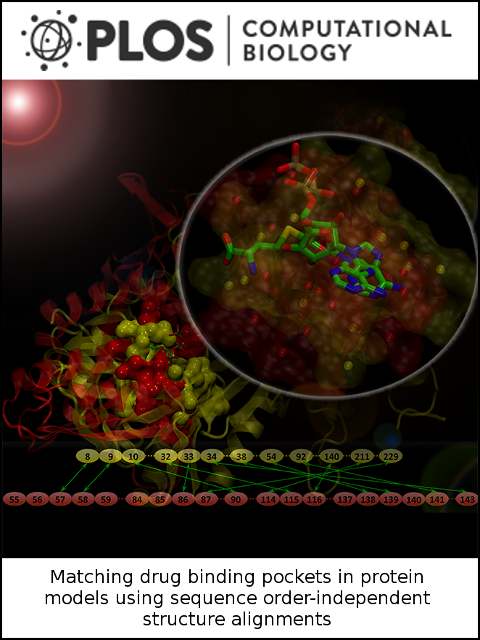
eMatchSite made it possible to compare ligand-binding pockets even in imperfect protein models, expanding binding-site analysis from individual crystal structures toward proteome-scale studies of polypharmacology and drug repositioning.
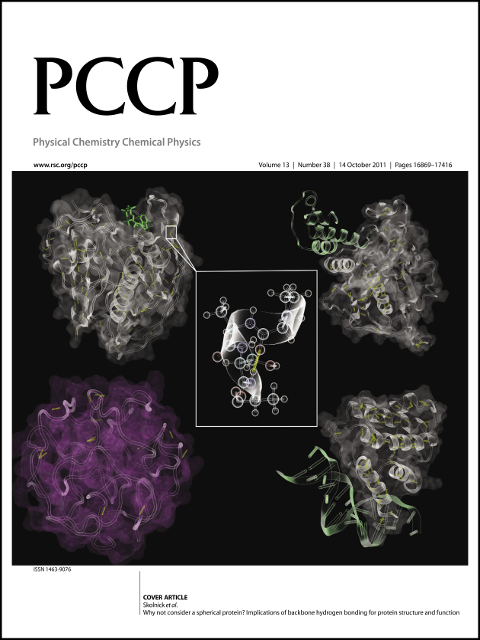
By comparing real proteins with artificial compact structures, this work shows that backbone hydrogen bonding and secondary-structure packing help create the geometric cavities and interfaces that make molecular recognition possible.

This study extends structure-based virtual screening across the human kinome by using predicted kinase models, showing how computational modeling can help prioritize candidate inhibitors even when experimental structures are unavailable.
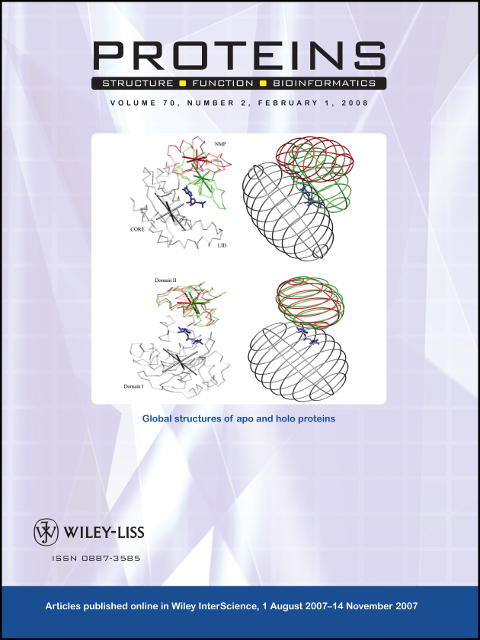
This research highlights how ligand binding can reshape proteins, especially through large domain motions in multi-domain systems.
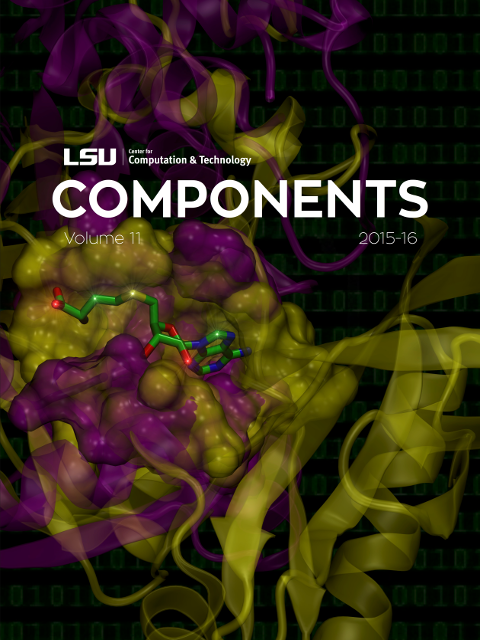
Pages 7-8 highlight the newly formed Computational Systems Biology Group at LSU/CCT and presented large-scale protein, network, and systems-level modeling as an emerging research direction requiring high-performance computing.

Pages 20-21 emphasize the lab’s work on highly optimized molecular docking codes, showing how high-performance computing can accelerate virtual screening and make large-scale drug-discovery searches more practical.